Local SEO Guide For Small Businesses

Local SEO helps small businesses become more visible when potential customers search online for nearby products, services, or businesses. Strong local visibility can attract relevant website traffic, calls, enquiries, store visits, and conversions. This local SEO complete guide explains what local SEO means, why it matters, the key ranking factors, Google Business Profile optimisation, practical strategies, and common mistakes businesses should avoid.
What Is Local SEO & Why Does It Matter For Small Businesses?
Local SEO improves a business’s online presence so it can appear more prominently in searches connected to a specific location. It is particularly useful for businesses serving a particular city, suburb, region, or service area.
What Is Local SEO?
Local SEO helps businesses appear in relevant local search results and Google Maps when people search for nearby products or services. It differs from traditional organic SEO, which generally focuses on visibility for broader searches regardless of location.
For example, someone searching for “dentist near me” has different intent from someone searching for “how does dental treatment work”. The first search has clear local intent, making location and business relevance especially important.
Why Local SEO Matters
Local search connects businesses with people who are already looking for something they provide. This can make local visibility valuable because the audience may have stronger purchase or enquiry intent than someone simply browsing general information.
For small businesses, effective local SEO can also create opportunities to compete with larger brands within a specific market. Local SEO benefits can include increased website traffic, calls, enquiries, appointments, visits, and sales.
Who Can Benefit From Local SEO?
Retailers, restaurants, healthcare providers, tradespeople, professional service providers, repair businesses, and service area businesses can all benefit. A business does not necessarily need a shopfront. Service providers who travel to customers can also build local visibility by clearly communicating their service areas and business information.
Key Local SEO Ranking Factors
Understanding the main local SEO factors makes it easier to build a strategy around how customers search. No single factor guarantees strong rankings, so businesses should combine accurate information, relevance, authority, and a positive user experience.
Relevance, Proximity, & Search Intent
Search engines need to determine whether a business is relevant to what someone is searching for. Accurate service descriptions, business categories, website content, and location information help communicate what the business offers.
Proximity can influence local results because a business closer to the searcher may be more relevant for certain queries. Businesses should focus on accurately explaining their services and service areas rather than trying to manipulate location signals.
Prominence & Online Reputation
Prominence reflects how established and recognised a business appears online and within its market. Customer reviews, relevant backlinks, business mentions, local citations, and a consistent online presence can contribute to credibility.
A strong reputation also influences customers directly. Genuine positive reviews can help potential customers feel more confident about contacting or visiting a business.
Website & Google Business Profile Signals
An accurate Google Business Profile is an important part of local optimisation. Businesses should provide the correct category, contact details, opening hours, services, photos, and other relevant information.
The website also matters. Location relevant content, descriptive page titles, useful service pages, mobile friendliness, fast loading speeds, and a positive user experience can support search visibility and customer engagement.
How To Optimise Your Google Business Profile
Google Business Profile gives businesses an opportunity to manage important information potential customers may see in Search and Maps. A complete and regularly maintained profile makes it easier for people to understand what a business offers and how to contact it.
Complete Your Business Profile
Ensure the business name, address, phone number, website, opening hours, and categories are accurate. Select categories that genuinely represent the business rather than choosing options simply because they appear popular.
Add relevant services, products, descriptions, and genuine photographs where appropriate. If opening hours, contact details, or services change, update the profile promptly.
Manage Reviews & Customer Engagement
Encourage satisfied customers to leave genuine reviews after positive experiences. Reviews help prospective customers evaluate a business, particularly when several local providers offer similar services.
Respond to reviews professionally, including negative feedback. A thoughtful response can demonstrate that the business values customer experiences and is willing to address concerns.
Keep Your Profile Active
Share relevant updates, offers, events, or announcements where appropriate. Regularly check the profile for accuracy and remove outdated details. Updates should provide useful information rather than being published simply for activity.
Local SEO Strategies To Improve Your Online Visibility
A strong local SEO strategy combines website optimisation, reputation management, local authority, technical performance, and ongoing measurement. Rather than relying on one tactic, small businesses should build a consistent approach that supports both search engines and customers.
Optimise Your Website & Local Content
Create useful service pages that clearly explain what you offer and, where appropriate, location specific pages for areas you genuinely serve. Optimise page titles, headings, content, images, and metadata naturally around relevant searches.
Local content can answer questions that matter to customers in your area.
Build Local Citations & Authority
Keep business information consistent across relevant directories, industry platforms, and local listings. Accurate details help customers find and trust your business.
Build relationships with local organisations, publications, community groups, suppliers, and relevant businesses to create opportunities for genuine mentions and backlinks. Relevance and quality should matter more than collecting large numbers of links.
Improve Reputation, Mobile Experience, & Performance
Create a consistent process for requesting genuine customer reviews and responding to feedback. Ensure your website works smoothly on mobile devices, loads efficiently, and makes phone numbers, addresses, services, and enquiry options easy to find.
Track local rankings, website traffic, calls, direction requests, enquiries, leads, and conversions. These measurements can show which local SEO techniques contribute to business results and where improvements are needed.
Common Local SEO Mistakes Small Businesses Should Avoid
Local optimisation requires consistency, and small errors can weaken an otherwise strong strategy.
Inaccurate Information & Poor Profile Management
Outdated opening hours, incorrect phone numbers, incomplete profiles, and inconsistent business details can create a poor customer experience. Review your Google Business Profile and important online listings regularly to ensure information remains accurate.
Ignoring customer reviews is another common issue. Reviews should be treated as an opportunity to build trust and demonstrate that feedback is taken seriously.
Keyword Stuffing & Low Quality Content
Adding the same keyword or location repeatedly does not make content more valuable. Keyword stuffing can make pages difficult to read and weaken the user experience.
Instead, create useful content that answers genuine customer questions. Avoid thin or duplicate location pages that provide little unique information. Every page should have a clear purpose and offer value to visitors.
Expecting Immediate Results
Local SEO is not a one time task that guarantees instant rankings. It requires ongoing optimisation, content development, reputation building, technical improvements, and performance monitoring.
Businesses should avoid shortcuts that promise immediate results and focus on sustainable local SEO best practices. Consistent improvement is more valuable than chasing temporary ranking gains.
Final Thoughts
Local SEO is an ongoing process that requires accurate business information, useful content, strong customer reviews, consistent online signals, and regular performance analysis. Small businesses should focus on meaningful metrics such as calls, enquiries, website visits, direction requests, leads, and conversions rather than rankings alone. By using a customer focused, consistent, and data driven approach, businesses can strengthen local visibility, attract more relevant customers, and build sustainable growth within the markets they serve while building stronger relationships with local customers.
Latest Post

Reasons Why Your Website Isn’t Ranking On Google

Reasons Why Your Google Ads Aren’t Converting

Technical SEO Mistakes To Watch Out For

Common Social Media Marketing Mistakes

Website Security Best Practices Every Business Should Follow

Organic Vs Paid Social Media: A Complete Comparison Guide

On-Page SEO Vs Off-Page SEO: What’s The Difference

The Importance Of E-E-A-T In Modern SEO
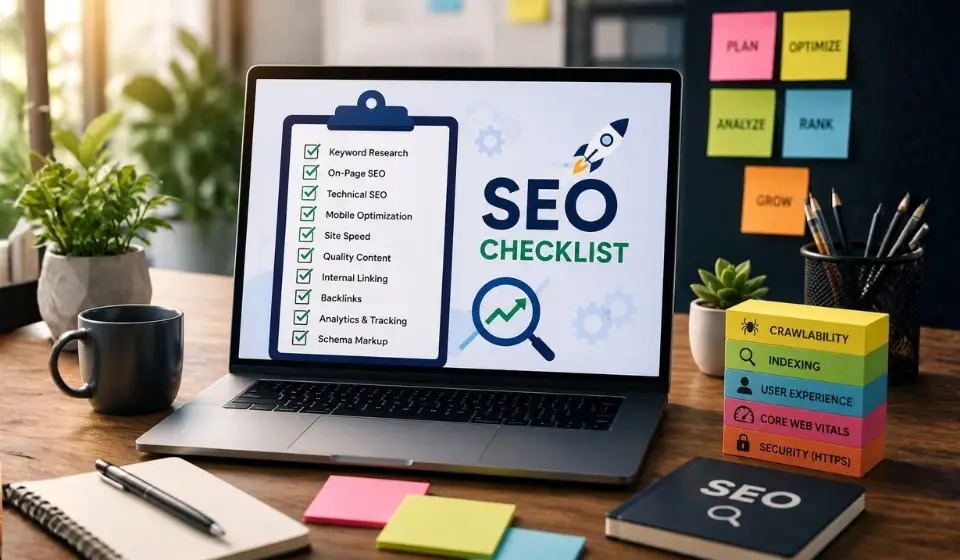
SEO Checklist For New Websites In 2026

Social Media Trends Businesses Should Follow

How To Optimize For AI Search & Rank Higher In Google AI Overviews