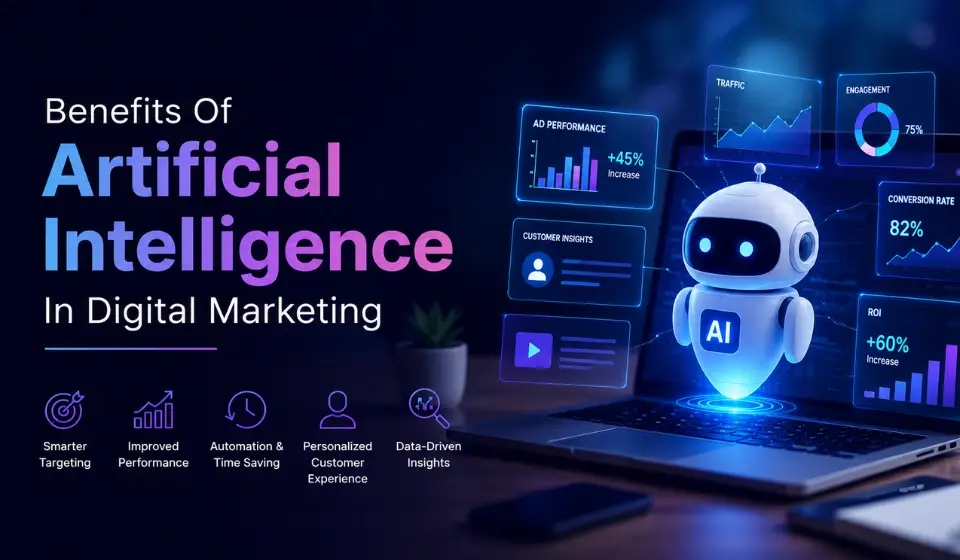
The Importance Of E-E-A-T In Modern SEO

Google search has evolved considerably from the days when keywords and backlinks dominated SEO conversations. Today, search systems increasingly focus on whether content is genuinely useful, accurate, credible, and created for people. This shift has made E-E-A-T, which stands for Experience, Expertise, Authoritativeness, and Trust, an important concept in modern SEO. Its significance has grown further as artificial intelligence makes producing online content faster and easier. Businesses now need to demonstrate why their information deserves attention rather than simply publishing more of it. Understanding the eeat principles can help brands build stronger content and greater credibility. This guide explains what E-E-A-T means, how it relates to Google’s search systems, why it matters in AI-driven search, and how businesses can strengthen these signals across their websites.
What Is E-E-A-T & Why Google Built It Into Its Algorithm
E-E-A-T is a framework used to describe qualities associated with reliable, helpful content. It encourages website owners to consider who created information, what qualifies them to discuss the subject, and whether users can trust the source.
The Origins Of E-E-A-T In Google's Search Quality Guidelines
E-E-A-T originally appeared as E-A-T, representing Expertise, Authoritativeness, and Trustworthiness. Google later added “Experience”, highlighting the importance of first-hand knowledge for many types of content.
For example, a person who has genuinely used a product may provide practical insights that cannot easily be gained from secondary research. Meanwhile, complex medical or financial information may require professional expertise because inaccurate advice can have serious consequences.
The google quality rater guidelines use E-E-A-T concepts to help human quality raters assess search result quality. Google’s broader goal is to surface helpful information from sources appropriate to the topic.
How E-E-A-T Fits Into The Broader Ranking System
E-E-A-T is not a single direct ranking factor or score assigned to every website. Instead, it provides a framework for understanding characteristics Google considers important when evaluating quality.
Search algorithms use numerous signals that may reflect aspects of credibility, reputation, originality, relevance, and reliability.
Following eeat seo guidelines should therefore focus on improving genuine content quality and trust rather than trying to achieve an artificial E-E-A-T score.
Why E-E-A-T Matters More Than Ever In The Age Of AI Search
Artificial intelligence has dramatically reduced the time required to produce written content. While this creates useful opportunities for businesses, it has also increased the amount of generic information available online.
As content becomes easier to create, demonstrating genuine knowledge and accountability becomes more valuable.
The Rise Of AI-Generated Content & Why Trust Signals Matter More
AI-generated content is not automatically poor quality. Problems arise when businesses publish material without fact-checking, original insight, appropriate expertise, or meaningful human review.
Producing hundreds of articles does not establish authority if those articles simply repeat information already available elsewhere.
First-hand examples, professional experience, original research, reliable references, transparent authorship, and careful editorial review can help distinguish credible resources from generic content.
These qualities also give readers stronger reasons to trust a business and return to its website.
E-E-A-T's Role In AI Overviews & Generative Search
AI-powered search can combine information from multiple web sources to produce generated answers. Source quality therefore becomes particularly important because unreliable information can reduce the usefulness of those answers.
There is no guarantee that stronger E-E-A-T will result in inclusion within Google AI Overviews. However, demonstrating expertise, accuracy, and transparency aligns with the broader goal of creating information that search systems can confidently surface.
For businesses, the practical lesson is to focus on becoming a credible source rather than trying to optimise specifically for an AI-generated result.
Breaking Down The Four Pillars: Experience, Expertise, Authoritativeness, & Trust
Each component of E-E-A-T represents a different aspect of quality. Their relative importance depends on the subject and purpose of the content.
A practical eeat strategy should therefore consider what type of credibility users expect for each page.
Experience & Expertise
Experience refers to direct, first-hand involvement with a topic. A software review written by someone who has actually used the platform, for example, may provide practical observations that generic research cannot.
Expertise refers to knowledge or skill gained through education, professional qualifications, training, or substantial industry experience.
The balance between the two depends on context. Travel recommendations may benefit heavily from personal experience, while medical, financial, or legal information usually requires appropriately qualified expertise.
Businesses should therefore consider who is best positioned to create or review important content.
Authoritativeness & Trust
Authoritativeness develops when a person or organisation becomes recognised as a reliable source within its industry. Relevant backlinks, citations, media coverage, professional associations, awards, and consistent high-quality content can contribute to this reputation.
Trust connects all four elements. Users should understand who operates a website, who created its content, and whether important claims can be verified.
Clear contact details, honest business information, accurate claims, secure browsing, and transparent policies can all contribute to trust.
How E-E-A-T Impacts Your Rankings & Content Strategy
E-E-A-T should influence the entire content creation process rather than being treated as something added after an article has been published.
Businesses should consider credibility during research, writing, editing, fact-checking, and ongoing content maintenance.
The Link Between E-E-A-T & Content Performance
Strong E-E-A-T does not automatically guarantee high rankings. However, many characteristics associated with it align with the quality signals search engines aim to identify.
This is particularly important for YMYL, or Your Money or Your Life, topics. These include subjects that can significantly affect a person’s health, finances, safety, or wellbeing.
Inaccurate information in these areas can have serious consequences. Businesses publishing YMYL content should therefore apply higher standards to expertise, sourcing, accuracy, and editorial review.
Shifting Content Strategy Around E-E-A-T
Content strategies should prioritise usefulness and quality over publishing volume. Ten detailed, original resources may provide greater long-term value than dozens of shallow articles covering similar information.
Businesses should also regularly review existing pages. Statistics become outdated, recommendations change, links break, and industries evolve.
A practical eeat checklist can include factual verification, expert review, credible sourcing, author information, original insights, content updates, and checks for outdated claims.
Actionable Ways To Strengthen E-E-A-T On Your Website
Improving E-E-A-T involves making genuine expertise and credibility visible throughout the website. Businesses should focus on evidence rather than simply describing themselves as experts.
Showcasing Author Expertise & Credentials
Where authorship is relevant, provide clear information about who created or reviewed the content.
Author biographies can include appropriate qualifications, professional experience, industry knowledge, or first-hand involvement related to the subject. Avoid vague descriptions that do not demonstrate why the author is qualified to discuss the topic.
Credible sources should also support important factual claims. Where appropriate, reference original studies, government resources, recognised industry organisations, or other authoritative sources.
These practices support broader eeat guidelines by making expertise and evidence easier for users to verify.
Building Trust Signals Sitewide
Trust extends beyond individual articles. Websites should provide accurate business information, accessible contact details, genuine reviews, relevant case studies, and transparent information about services.
Policies such as privacy, terms, refunds, or other applicable information should also be easy to locate.
Technical quality contributes to trust as well. HTTPS security, mobile usability, functional navigation, accessible pages, and reliable website performance all support a professional user experience.
Businesses should also avoid exaggerated claims they cannot substantiate. Trust is built when marketing messages, customer experiences, published information, and independent reputation consistently support one another.
Key Takeaways
E-E-A-T provides an important framework for understanding quality in modern SEO. As AI makes generic content increasingly easy to produce, genuine experience, expertise, authority, and trust can help businesses differentiate their websites. Strengthening E-E-A-T involves using knowledgeable authors, providing reliable sources, adding first-hand insights, maintaining transparent business information, earning credible recognition, publishing genuine reviews and case studies, and keeping content accurate and current. Rather than treating E-E-A-T as a quick ranking tactic, businesses should make it part of their long-term content and SEO processes. Websites that consistently demonstrate credibility and provide genuine value are better positioned to build audience trust and support sustainable organic visibility as search continues to evolve.
Latest Post

Reasons Why Your Website Isn’t Ranking On Google

Reasons Why Your Google Ads Aren’t Converting

Technical SEO Mistakes To Watch Out For

Common Social Media Marketing Mistakes

Website Security Best Practices Every Business Should Follow

Organic Vs Paid Social Media: A Complete Comparison Guide
On-Page SEO Vs Off-Page SEO: What’s The Difference

The Importance Of E-E-A-T In Modern SEO
SEO Checklist For New Websites In 2026

Social Media Trends Businesses Should Follow

How To Optimize For AI Search & Rank Higher In Google AI Overviews