What Happens When A Business Website Gets Hacked?

A business website is one of its most visible digital assets, which also makes it an attractive target for cybercriminals. Attackers may exploit outdated software, stolen credentials, weak security controls or coding vulnerabilities to gain unauthorised access. The consequences can extend far beyond a few broken pages. A compromised website can disrupt operations, expose customer information, damage search visibility, reduce revenue and weaken trust in a brand. Understanding common website security threats is therefore important for businesses of every size. Website security should not be treated as something to address only after an attack. Regular maintenance, monitoring, secure access and reliable backups are essential for protecting a website over time.
How Websites Typically Get Hacked
Website attacks do not always require sophisticated techniques. In many cases, attackers exploit weaknesses that could have been addressed through routine maintenance and stronger security practices.
Common Ways Attackers Gain Access
Outdated website software is one common entry point. Content management systems, plugins, themes and other components can contain vulnerabilities discovered after release. Developers may issue security updates to fix these weaknesses, but websites that are not regularly updated can remain exposed.
Weak, reused or compromised passwords are another major risk. If an administrator uses the same password across different services and one account is compromised, attackers may try those credentials elsewhere. Stolen login details can provide direct access to website administration areas.
Phishing and social engineering can also target business owners, employees or administrators. An attacker may send a convincing message designed to trick someone into revealing login information or opening a malicious file.
Other attacks involve malware, vulnerable code or insecure configurations. Poor access controls can increase the problem by giving too many users administrative privileges, while unsecured hosting environments may expose additional entry points.
Why Outdated Websites Are More Vulnerable
Website software does not remain secure simply because it worked correctly when launched. New vulnerabilities can be discovered over time, and attackers actively look for websites running outdated versions of commonly used platforms and plugins.
Regular maintenance helps reduce website security vulnerabilities by keeping software current and removing components that are no longer required. Businesses should also review security settings periodically rather than assuming a website is safe because it has not experienced an obvious attack.
Immediate Consequences Of A Hacked Website
Once attackers gain access, the effects can become visible quickly. Some attacks are obvious, while others remain hidden for longer periods. A compromised website may continue operating while quietly distributing malware, collecting information or creating harmful pages.
Website Downtime & Disruption
An attack can make a website unavailable or cause important functions to stop working. Visitors may encounter error messages, blank pages or security warnings instead of the expected website.
For businesses that depend on their website for enquiries, bookings, sales or lead generation, downtime can have a commercial impact. Staff may also need to investigate the incident and work with specialists to restore operations.
Malicious Content, Redirects & Data Theft
Attackers may alter pages, insert spam or malicious links, or redirect visitors to unsafe websites.
More serious attacks can involve the theft or exposure of customer and business information. Depending on the website, this could include contact details, account information or other sensitive data. These website security issues can create consequences long after the original breach has been contained.
SEO & Search Visibility Damage
A hacked website can create problems for organic search performance. Attackers may generate spam pages, add malicious links or insert unwanted content that search engines eventually discover.
Search engines can also display security warnings when a website is identified as potentially harmful. Recovering SEO performance may require removing malicious content, fixing technical problems, requesting reviews where appropriate and rebuilding trust with search engines. The longer a compromise remains undetected, the greater the potential impact.
The Impact on Customer Trust & Brand Reputation
Customers expect a business website to be safe, functional and reliable. When visitors encounter security warnings, suspicious redirects or an unavailable website, they may immediately question whether the business can protect their information.
Trust can be difficult to rebuild once it has been lost. A potential customer who encounters a compromised website may contact a competitor instead. Existing customers may also become concerned about whether their personal information has been affected.
The reputational impact can extend beyond the website itself. Negative experiences can lead to complaints and poor reviews. Even after technical issues are resolved, a business may need time to demonstrate that its digital presence is secure again.
Financial & Legal Fallout
The cost of a website attack is rarely limited to repairing damaged pages. Businesses may face recovery expenses, lost revenue, professional security support and longer-term reputational costs. If sensitive information is involved, there may also be privacy and regulatory considerations.
The Financial Cost Of A Website Hack
A compromised website may require investigation to determine how attackers gained access. Businesses may need specialists to remove malicious code, restore backups, update software and strengthen security controls.
Downtime can create another direct cost. If customers cannot complete purchases, submit enquiries or make bookings, opportunities may be lost. Marketing campaigns can also become less effective when visitors are directed to an unavailable or compromised website.
Traditional SEO success is often measured by where a page appears in search results. Strong rankings can lead to impressions, clicks and website traffic.
With AI search, a user may receive an answer without browsing through a traditional results page. A business might instead gain visibility by having its content or information cited or referenced within that response.
The nature of visibility is therefore changing, although traditional rankings remain important.
Privacy & Legal Considerations
If personal or customer information has been compromised, businesses may have responsibilities under applicable privacy and data protection requirements. Specific obligations depend on factors such as the type of information involved, the organisation’s location and the nature of the incident.
Businesses should understand the requirements relevant to their operations and have a process for responding to potential data breaches.
How To Protect Your Website From Future Attacks
No website can be guaranteed to be immune from attacks. Businesses can reduce their exposure by addressing common weaknesses and preparing for incidents before they happen. Good security combines prevention, monitoring and recovery.
Keep Your Website Updated & Secure
Regularly update CMS platforms, plugins, themes and other software. Security patches should be applied promptly, when they address known vulnerabilities.
Remove plugins, themes and components that are no longer needed. Use reputable hosting, maintain HTTPS and review website configurations regularly.
Strengthen Access & Account Security
Use strong, unique passwords for website administration and related accounts. Multi-factor authentication adds another layer of protection by requiring additional verification beyond a password.
Administrative access should be limited to authorised users who need it. Regularly review user permissions and remove accounts belonging to former employees or users who no longer require access.
Back Up & Monitor Your Website
Regular, secure backups provide an important recovery option if a website is compromised. Backups should be maintained separately from the live website where possible and tested periodically to ensure they can actually be restored.
Monitoring can identify suspicious activity and unexpected changes sooner. Businesses should also have a clear recovery process covering containment, investigation and restoration.
Key Takeaways
Website security is an ongoing process rather than a one-time task. Regular updates, strong access controls, secure hosting, reliable backups and continuous monitoring can reduce the impact of website security threats and vulnerabilities. Proactive protection can help businesses minimise downtime, financial losses, SEO damage and reputational harm while giving customers greater confidence in their digital presence. Treating security as a core part of website maintenance is one of the most practical ways to keep a business website reliable, trustworthy and resilient.
Latest Post
Reasons Why Your Website Isn’t Ranking On Google

Reasons Why Your Google Ads Aren’t Converting
Technical SEO Mistakes To Watch Out For
Common Social Media Marketing Mistakes

Website Security Best Practices Every Business Should Follow

Organic Vs Paid Social Media: A Complete Comparison Guide
On-Page SEO Vs Off-Page SEO: What’s The Difference

The Importance Of E-E-A-T In Modern SEO
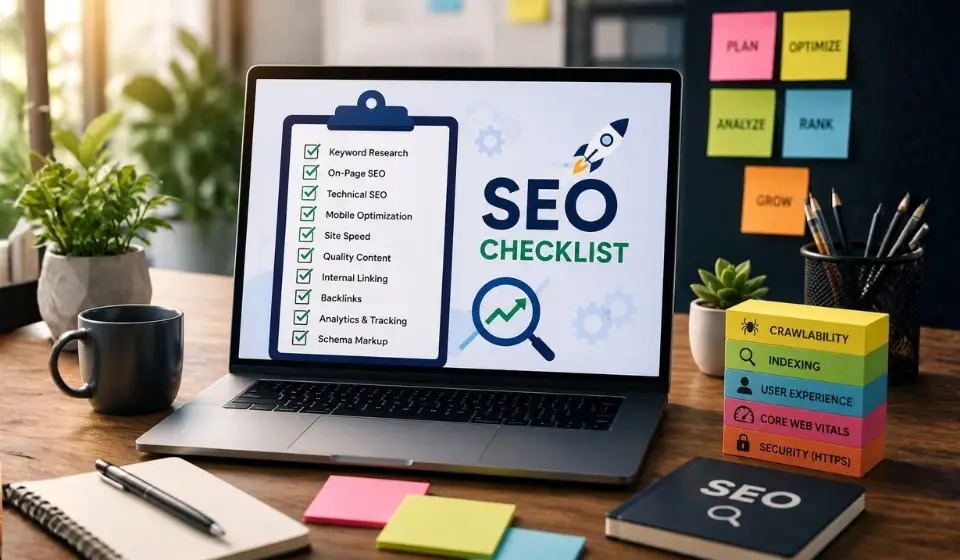
SEO Checklist For New Websites In 2026

Social Media Trends Businesses Should Follow
How To Optimize For AI Search & Rank Higher In Google AI Overviews